
Introduction
Mustang trim names are not just badges scattered across fenders and decklids. They are shorthand for performance character, equipment level, heritage, and the kind of driver Ford imagined behind the wheel. For enthusiasts, names such as GT, Shelby, Mach 1, Cobra, EcoBoost, Boss, and California Special carry different expectations. Some suggest raw power. Some suggest handling focus. Others point toward styling, exclusivity, or a specific chapter in Mustang history.
That language matters even more when classic Mustangs are upgraded for modern use. A vintage body with improved handling, stronger braking, better cooling, modern powertrains, refined interiors, and more dependable electronics can keep the thrill of the old car while making it far easier to enjoy. The best builds preserve the badge’s emotional meaning while giving the driver confidence on today’s roads. That is why trim names remain exciting: they connect the car’s past with the way enthusiasts want to drive now.
Why Trim Names Matter to Mustang Buyers
A trim name helps buyers understand where a Mustang sits in the lineup. A base model may emphasize accessibility and style. A GT usually points toward V8 performance. A Shelby badge signals higher-output engineering and a stronger connection to performance heritage. Special editions often add unique styling, suspension changes, interior details, or limited-production appeal. These names help shoppers compare vehicles quickly, but serious buyers still need to look beneath the badge.
That is especially true with older Mustangs. Decades of modifications mean a car may wear badges that do not reflect its original build. A standard Mustang may have GT-style trim. A restomod may combine classic exterior cues with modern components. A Shelby-inspired build may deliver a premium driving experience without being an original Shelby. Enthusiasts should treat trim names as the beginning of the story, not the final proof.
What Does GT Mean on a Mustang?
Vehicle badges often communicate far more than a model name. Manufacturers use trim designations to identify performance upgrades, market positioning, engineering differences, and intended driving experiences. Mustang buyers frequently encounter multiple trim names during research, and understanding those designations helps explain why certain models attract more enthusiast attention than others.
The clearest place to start is GT meaning Mustang. The GT designation plays a central role in Mustang history because it identifies a performance-oriented version positioned above standard configurations. Buyers often associate the badge with stronger performance credentials, distinctive equipment, and a closer connection to the Mustang’s enthusiast-focused heritage.
The importance of the GT designation extends beyond branding. Ford uses the badge to distinguish models that emphasize performance, driving engagement, and a more sporting character. That distinction helps shoppers compare trims, understand equipment differences, and identify which version best matches their expectations. Enthusiasts also pay attention to the GT name because it represents one of the most recognizable performance identities within the Mustang lineup.
Understanding the GT designation provides useful context for evaluating Mustang history, trim evolution, and model hierarchy. Whether a buyer is comparing trims, researching specifications, or learning about Mustang heritage, the meaning behind the GT badge serves as a foundation for understanding how Ford positions its performance-oriented Mustang models.
GT, Shelby, Mach 1, and Cobra: Different Flavors of Performance
The GT badge usually represents the heart of Mustang performance. It is the trim many enthusiasts associate with V8 sound, rear-wheel-drive attitude, and everyday usability. A GT does not have to be the most extreme Mustang to be meaningful. Its strength is balance. It can feel quick, emotional, and practical enough for regular driving, which is why the name has stayed important for so long.
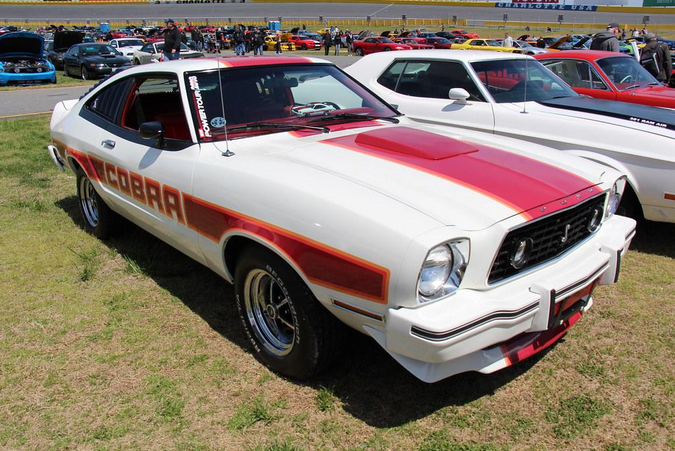
Shelby models sit in a more specialized space. They usually represent higher performance, stronger engineering focus, and a closer link to Mustang’s racing and tuner heritage. Mach 1 models often blend performance hardware with distinct styling and handling personality. Cobra names carry their own performance mythology, especially among enthusiasts who follow Ford’s high-output history. Each name changes the way buyers read the car before the engine even starts.
Why Enthusiasts Still Care About Badges
Badges matter because they create expectations. A GT should feel more athletic than a standard car. A Shelby should feel more serious and more exclusive. A special edition should offer something memorable beyond paint and decoration. When the driving experience matches the name, the badge becomes powerful. When it does not, enthusiasts notice quickly.
This is part of Mustang culture’s charm. The community studies the small details: engines, transmissions, suspension options, brakes, wheels, interior packages, body styles, and production history. The names are simple, but the stories behind them are rich. That depth keeps the Mustang world alive across generations.
Modern Upgrades Make Classic Mustangs More Exciting
Classic Mustangs already have the right ingredients: long hoods, clean proportions, strong road presence, and a mechanical feel that modern cars sometimes filter away. The challenge is that original-era cars were built for older roads, older tires, older safety expectations, and different comfort standards. Modern upgrades solve many of those issues while keeping the vintage thrill intact.
Improved suspension can make a classic Mustang feel more precise. Modern brakes can add confidence. Better cooling can make summer traffic less stressful. Updated powertrains can deliver smoother response and greater reliability. Refined seats, air conditioning, sound insulation, and modern electronics can make the car easier to enjoy on longer drives. When these upgrades are integrated properly, the car still feels like a Mustang, only sharper, calmer, and more road-ready.
Power Adders and the Modern Enthusiast Mindset
Mustang owners have always loved personalization. Some prefer factory-correct restoration, while others want more power and sharper response. Modern performance upgrades can transform the driving experience when they are chosen carefully. Turbo systems, superchargers, exhaust upgrades, tuning, suspension kits, and braking improvements can all add capability, but balance matters. A car with extra power still needs the chassis, tires, brakes, and cooling to support it.
That is why buyers researching parts should think in systems rather than isolated upgrades. Resources about how to enhance Mustang performance with turbo kits and accessories reflect a broader enthusiast truth: power is most enjoyable when the rest of the car is ready for it. The best builds do not feel like a pile of parts. They feel tuned, sorted, and intentional.
Modern Shelby Models Keep the Trim Language Alive
Mustang trim names continue to matter because Ford keeps evolving the performance ladder. Modern Shelby models show how old performance language can be updated with advanced engineering, aerodynamics, cooling, electronics, and massive output. The badge may carry history, but the hardware keeps pushing forward.
Coverage of Ford’s debut of the most powerful Mustang ever with the 2020 Shelby GT500 shows how modern Mustang performance still uses historic names to signal serious capability. That matters for classic enthusiasts too. When modern cars keep the names alive, older GT and Shelby models feel less like museum pieces and more like ancestors in an active performance bloodline.
Dedicated Brand Section
Revology Cars fits naturally into the conversation around Mustang trim meaning because the brand focuses on classic Mustang design supported by modern engineering and craftsmanship. Its vehicles speak to enthusiasts who love the shape, stance, and emotional pull of first-generation Mustangs but want a more refined and reliable driving experience than many original cars can provide.
This approach respects the reason trim names matter in the first place. A Mustang badge should suggest a specific kind of experience. By combining vintage-inspired design with modern handling, power, comfort, and manufacturing precision, a re-engineered classic can preserve the personality enthusiasts love while making the car more enjoyable in everyday conditions. It keeps the theater and upgrades the stage lights.
How Buyers Should Read Mustang Trim Names
Buyers should read a trim name as a promise that needs verification. On a modern car, that means checking equipment, options, service history, and condition. On a classic car, it means reviewing documentation, factory features, body details, drivetrain information, restoration records, and whether the car’s current specification matches its claimed identity. A badge is useful, but evidence is stronger.
For upgraded classics, the question changes slightly. Instead of asking only what the car was, buyers should also ask what it has become. A well-built restomod may not be factory-correct, but it can still be deeply desirable if the engineering is cohesive and the workmanship is strong. The key is honesty. A car should be valued for its real story, not for borrowed badges or foggy claims.
The Enthusiast Rule
The simplest rule is to match the name to the experience. A GT should feel engaging. A Shelby should feel special. A restomod should feel integrated. A classic should feel authentic to its purpose. When the badge, build quality, and driving character all agree, the car becomes far more satisfying to own.
Conclusion
Mustang trim names matter because they explain performance identity, model hierarchy, and enthusiast expectations. GT, Shelby, Mach 1, Cobra, and other names each point toward a different version of the Mustang idea. Understanding those meanings helps buyers compare cars more intelligently and appreciate why certain models have remained so desirable.
Classic Mustangs remain exciting because their design still has power, and modern upgrades make that excitement easier to enjoy. Better handling, stronger power, improved comfort, reliable electronics, and careful craftsmanship can turn a vintage-looking Mustang into a car that feels ready for modern roads. The trim name may start the conversation, but the real magic happens when the badge, the build, and the drive all speak the same language.