

 Introduction
Engine performance depends on more than horsepower figures, displacement, or the badge on the grille. At the center of every reliable engine is controlled combustion, and controlled combustion begins with how fuel enters the engine. Whether a vehicle is built for daily driving, heavy-duty diesel work, long highway use, or restoration, the fuel delivery system has a direct influence on starting quality, throttle response, fuel economy, emissions, and long-term reliability.
For many owners, the conversation often begins with a simple question: how does a fuel injector compare with older fuel delivery systems? The answer matters because fuel delivery technology shapes the way an engine behaves in real conditions. A carbureted engine may feel mechanical and familiar, while an injected engine often delivers more precise control. Understanding that difference helps owners make better repair, maintenance, and upgrade decisions without treating the fuel system like a mystery box under pressure.
Why Fuel Delivery Is Central to Engine Health
An engine does not only need fuel. It needs the correct amount of fuel, delivered at the correct time, in a form that supports clean combustion. When delivery is accurate, the engine can start more easily, idle more smoothly, and respond more predictably under load. When delivery becomes inconsistent, symptoms can appear quickly. Rough idle, hesitation, misfires, smoke, poor fuel economy, and hard starting can all point toward fuel system trouble.
This is why fuel injectors became such an important part of modern engine design. Instead of relying only on airflow to pull fuel into the intake stream, injectors deliver fuel in a more controlled manner. In modern systems, electronic controls can adjust fuel delivery based on engine speed, load, temperature, oxygen readings, and throttle input. That adaptability gives fuel injection a major advantage in consistency and efficiency.
Modern Diesel Engines Need More Than Basic Service
Diesel engines especially show why fuel system precision matters. They depend on compression ignition, high fuel pressure, clean delivery, and proper timing. A basic oil change and filter replacement may be important, but modern diesel care often requires a deeper understanding of injectors, pumps, sensors, emissions systems, and electronic controls. The article on why modern diesel engines need advanced servicing reflects this broader maintenance reality.
A diesel engine may be mechanically strong and still perform poorly if fuel delivery is weak, contaminated, or mistimed. Injectors that spray unevenly, pumps that cannot maintain pressure, or filters that restrict flow can all create problems that look like larger engine failure. This is why fuel system diagnosis should be careful, not rushed. A good repair process studies the full system before blaming one component.
Comparing Fuel Delivery Systems with Practical Purpose
For owners deciding between older mechanical systems and modern fuel delivery technology, a clear fuel injector comparison can help explain how each setup affects drivability, maintenance, efficiency, and repair expectations. This matters for classic vehicle owners, diesel technicians, restoration projects, and anyone trying to understand why one engine feels simple but hands-on while another feels more controlled and responsive. The right comparison is not only about old versus new; it is about matching the system to the engine’s purpose and the owner’s maintenance goals.
How Fuel Injectors Improve Control
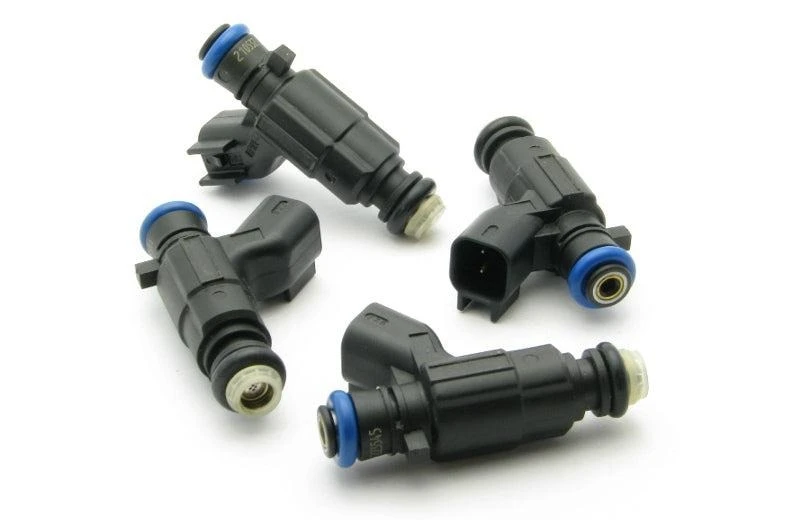
Fuel injectors are designed to deliver fuel in a measured pattern. Depending on the system, they may spray fuel into the intake port or directly into the combustion chamber. This controlled delivery allows the engine to receive fuel more accurately than older systems that depend heavily on mechanical airflow conditions. The result can be better cold starts, cleaner throttle response, improved fuel economy, and more stable performance across changing conditions.
A technical explanation of how fuel injectors work shows why injector timing, spray pattern, and pressure all matter. These details may sound small, but inside an engine they are enormous. Fuel must atomize properly, mix with air effectively, and burn in a controlled way. When that process becomes sloppy, the engine’s behavior changes immediately.
Why Injector Condition Affects Everyday Driving
A dirty, clogged, leaking, or worn injector can disrupt the engine’s rhythm. The driver may notice rough idle, reduced acceleration, poor fuel economy, hard starting, or uneven power delivery. In diesel engines, injector problems can also cause smoke, knocking sounds, and weak performance under load. These symptoms can overlap with fuel pump issues, sensor problems, air leaks, or compression concerns, which makes proper diagnosis essential.
Injector problems are often small in size but large in effect. A tiny change in spray quality can affect combustion across the cylinder. Over time, poor fuel delivery can increase stress on related systems. That is why regular maintenance, clean fuel, timely filter replacement, and early inspection are worth more than emergency repairs after the engine has already started protesting with smoke signals.
Where Carburetors Still Have Value
Fuel injection may dominate modern vehicles, but carburetors still have a place in certain applications. Classic cars, restoration projects, small engines, and enthusiast builds may continue using carburetors because they are familiar, mechanical, and often easier to adjust without electronic diagnostic tools. For some owners, the carburetor is part of the vehicle’s character.
The tradeoff is that carburetors usually need more hands-on tuning. Changes in altitude, temperature, engine modifications, and fuel quality can affect performance. Cold starts may be less consistent, and fuel distribution may not be as precise. A carburetor can run beautifully when tuned well, but it asks the owner to participate in the machine’s mood. Fuel injection, by contrast, is built to adjust more quietly and consistently.
Brand Section: Goldfarb Inc. and Fuel System Knowledge
Goldfarb Inc. serves vehicle owners, mechanics, diesel specialists, and equipment operators who need practical access to engine parts and fuel system information. In fuel system repair, the challenge is often not simply knowing that a part has failed. The harder task is understanding which part fits the engine, what caused the symptom, and how the surrounding system should be inspected before replacement.
That support is especially useful in diesel repair and older engine applications, where pumps, injectors, control modules, and related parts must be matched carefully. Fuel systems are precise, and small differences can affect installation, performance, and reliability. A knowledgeable parts source helps turn repair uncertainty into a more controlled decision.
Choosing the Right Fuel System Approach
The best fuel delivery system depends on the engine, vehicle purpose, maintenance expectations, and repair environment. A restored classic may keep its carburetor for originality and simplicity. A modern diesel or gasoline vehicle will usually depend on injectors for accuracy, emissions control, and performance. Neither system should be judged only by age. Each should be evaluated by how well it supports the engine’s actual use.
For repair planning, the key is diagnosis. A rough-running engine does not automatically need injectors. A hard-starting engine does not automatically need a pump. Fuel pressure, injector condition, air intake, sensors, filters, wiring, and compression can all influence the same symptoms. Careful testing keeps the repair focused and prevents the parts cannon from firing into the dark.
Conclusion
Fuel injectors changed engine performance by giving fuel delivery more precision, adaptability, and control. Compared with carburetors, they can support cleaner starts, better efficiency, stronger emissions control, and more consistent drivability. Carburetors still have value in traditional and restoration settings, but injectors have become the standard for engines that need modern accuracy.
For owners, technicians, and diesel operators, the main lesson is simple: fuel delivery deserves serious attention. Whether the engine uses a carburetor or injectors, performance depends on clean fuel, correct parts, careful diagnosis, and consistent maintenance. The fuel system may work quietly, but it decides how confidently the engine speaks every time it starts.