

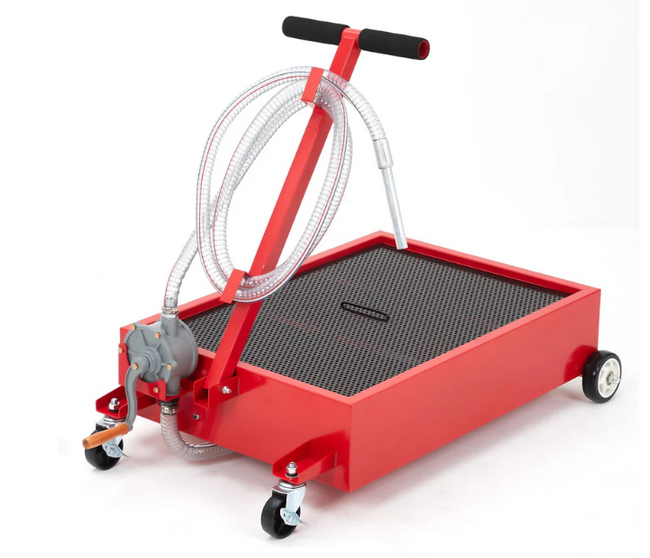
Changing your own vehicle oil can save money, improve your understanding of your car, and make routine upkeep more convenient. But without the right setup, even a simple service can turn into a messy job. A dependable oil drain pan helps collect used oil safely, reduces spills, and makes disposal easier. For larger vehicles, frequent maintenance, or workshop use, a large oil drain pan can be especially useful because it offers more capacity and better coverage under the vehicle.
Whether you are a first-time DIYer or a mechanic upgrading your workspace, choosing the right pan is about more than size. Material, portability, drain design, splash control, and storage all matter. This guide explains what to look for, how to use one properly, and how to make every oil change cleaner, safer, and more efficient.
Why the Right Oil Collection Setup Matters
Used engine oil is slippery, dirty, and harmful to the environment if handled carelessly. A poor-quality container can overflow, crack, splash, or make pouring difficult. That creates extra cleanup work and increases the risk of oil reaching the ground, drains, or garage floor.
Good oil collection is also part of smart maintenance planning. When your tools are organized and reliable, you are more likely to service your vehicle on schedule. This is especially important for drivers who perform a regular DIY oil change instead of visiting a shop.
A good drain setup helps with:
-
Cleaner oil changes
-
Safer handling of hot fluids
-
Easier transport to recycling centers
-
Less risk of spills on driveways or garage floors
-
Faster maintenance workflow
For home users, a compact container may be enough. For trucks, SUVs, commercial vehicles, or multi-car households, a higher-capacity option is usually the better choice.
Why a Large Oil Drain Pan Can Be Worth It
A large oil drain pan is designed to hold more fluid and often provides a wider collection area. This matters because oil does not always fall in a perfect stream. Wind, vehicle angle, oil plug position, and splash-back can all affect where the oil lands.
Larger pans are particularly useful for:
-
Pickup trucks and SUVs
-
Diesel vehicles with higher oil capacity
-
Fleet maintenance
-
Garages that service multiple vehicles
-
Mechanics working under lifts or ramps
Capacity is not only about preventing overflow. It also gives you more confidence during engine oil draining, especially when you are not completely sure how much oil will come out. A pan with extra room allows for safer handling and reduces the chance of having to stop midway through the job.
Before buying, check your vehicle’s oil capacity in the owner’s manual. Then choose a pan that holds more than that amount. A little extra capacity can make a big difference.
Key Features to Look for Before Buying
Not all pans are built the same. Some are basic open trays, while others include pumps, wheels, spouts, sealed lids, or low-profile designs. The best choice depends on your vehicle type, workspace, and experience level.
1. Capacity and Size
Capacity should be your first consideration. Small cars may only need a modest container, while larger engines need more room. If you maintain more than one vehicle, choose based on the largest oil capacity you expect to handle.
A wide collection surface is also helpful. It catches oil more easily and reduces the chance of missing the stream when the plug is removed.
2. Material Quality
Most drain pans are made from plastic, metal, or a combination of durable materials. Heavy-duty plastic is lightweight, affordable, and resistant to many automotive fluids. Metal options can be more durable for workshop environments but may be heavier.
Look for materials that resist cracking, warping, and chemical damage. Used oil can be hot when drained, so heat resistance is important.
3. Pouring and Transfer Design
A pan is only useful if you can empty it without making another mess. Look for features like:
-
Molded pouring spouts
-
Drain valves
-
Sealed caps
-
Anti-splash lips
-
Built-in funnels
-
Hose attachments
A well-designed oil drain container makes it easier to move used oil into a recycling jug or approved disposal tank.
4. Low-Profile Clearance
Many modern vehicles sit low to the ground. If your car has limited clearance, a tall pan may not fit underneath. Low-profile designs are helpful because they slide under vehicles more easily, especially when working without a lift.
This is one of the most practical vehicle maintenance tips for home mechanics: always measure your ground clearance before buying large equipment.
5. Mobility and Storage
For shop use, wheels and handles are helpful. For home garages, compact storage may matter more. Some models include foldable handles or slim shapes that fit against a wall.
Think about where you will store the pan after use. A container that is awkward to move or difficult to clean may become frustrating over time.
Matching the Pan to Your Maintenance Style
Different users need different setups. A weekend DIYer does not always need the same equipment as a full-time mechanic.
If you change oil once or twice a year, focus on simplicity. A sturdy pan with enough capacity, a good spout, and a secure lid may be all you need. If you work on several vehicles, investing in more advanced automotive repair tools can improve speed and cleanliness.
For professional or frequent use, consider features such as:
-
Pump-assisted draining
-
Large tank capacity
-
Rolling wheels
-
Long drain hoses
-
Adjustable height funnels
-
Heavy-duty construction
These features can make a major difference in a busy garage where time and cleanliness both matter.
Essential Oil Change Tools for a Cleaner Job
A pan is only one part of the setup. The right oil change tools help the whole process go smoothly from start to finish.
Useful items include:
-
Socket wrench or oil plug wrench
-
Oil filter wrench
-
Nitrile gloves
-
Shop towels or absorbent pads
-
Funnel
-
Jack stands or ramps
-
Safety glasses
-
Torque wrench
-
Sealable used-oil jug
These car maintenance tools help reduce mistakes and make the job safer. For example, gloves protect your hands from hot oil, while a funnel helps refill the engine without spilling fresh oil.
A torque wrench is also important because overtightening the drain plug can damage the oil pan threads. Undertightening can cause leaks. Proper tightening is a small detail that prevents bigger problems.
How to Use a Drain Pan Properly
Using a pan correctly is just as important as buying the right one. Preparation helps prevent spills and keeps your workspace safer.
Follow these steps:
-
Park the vehicle on a flat surface.
-
Let the engine cool slightly, but not completely cold.
-
Place cardboard or absorbent pads under the work area.
-
Position the pan directly below the drain plug.
-
Loosen the plug carefully and keep your hands clear of hot oil.
-
Allow the oil to drain fully.
-
Replace the drain plug and tighten it correctly.
-
Transfer used oil into a sealed container.
-
Recycle the oil at an approved collection site.
For a mess-free oil change, take your time with positioning. Many spills happen because the pan is placed where the oil starts draining, but not where the stream moves as pressure changes. A wider pan helps solve this issue.
Safety and Environmental Considerations
Used oil should never be dumped on the ground, into drains, or into regular trash. Even a small amount can contaminate soil and water. Always store it in a sealed container and take it to a recycling center, auto parts store, or local waste collection facility that accepts used motor oil.
Also, avoid mixing used oil with other chemicals unless the recycling location allows it. Brake fluid, coolant, fuel, and solvents may require separate disposal.
Safety also matters during the job. Hot oil can burn skin, and a poorly supported vehicle can be extremely dangerous. Never work under a vehicle supported only by a jack. Use proper stands or ramps on a stable surface.
Choosing Practical Garage Tools for Mechanics
A well-organized garage makes maintenance easier. For professionals and serious hobbyists, garage tools for mechanics should be selected for durability, efficiency, and safety.
A good oil collection system pairs well with:
-
Rolling tool carts
-
Fluid transfer pumps
-
Drain plug organizers
-
Oil filter drain trays
-
Absorbent mats
-
Waste fluid storage tanks
-
Proper lighting
When tools have a designated place, jobs become faster and cleaner. This also lowers the chance of forgetting a step, misplacing a bolt, or contaminating clean parts with used oil.
For those comparing different options, browsing a dedicated category such as an oil drain pan collection can help you understand the range of available sizes, shapes, and features before deciding what fits your needs.
Common Mistakes to Avoid
Even experienced DIYers can make simple mistakes during oil changes. Avoiding these issues can save time and prevent damage.
Using a Pan That Is Too Small
A small pan may work for compact cars, but it can overflow with larger engines. Always check your vehicle’s oil capacity first.
Forgetting About Splash Direction
Oil can shoot outward when the plug is first removed. Position the pan slightly ahead of the plug direction, not only directly below it.
Moving the Pan Too Soon
Let the oil drip fully before removing the container. A few extra minutes can prevent oil from dripping onto the floor after you move it.
Poor Disposal Habits
Do not leave used oil in an open pan. Transfer it to a sealed container as soon as possible.
Skipping Cleanup
Wipe down the pan after use. Clean tools last longer and are easier to inspect for cracks, leaks, or damage.
What Makes the Best Oil Drain Solutions Practical?
The best oil drain solutions are not always the most complex or expensive. They are the ones that fit your vehicle, workspace, and maintenance habits.
A practical solution should be:
-
Large enough for your vehicle’s oil capacity
-
Easy to position under the engine
-
Stable when filled with fluid
-
Simple to pour or transfer
-
Resistant to leaks and cracks
-
Easy to clean and store
For occasional use, simplicity may be best. For frequent use, features like wheels, pumps, and sealed transfer systems may be worth considering. The goal is to make routine maintenance cleaner and more consistent, not more complicated.
Maintenance Tips for Long-Term Use
To keep your pan in good shape, clean and inspect it regularly. Oil residue can build up over time, making the surface slippery and unpleasant to handle.
After each use:
-
Wipe excess oil with shop towels.
-
Check for cracks or weak spots.
-
Make sure caps and plugs seal properly.
-
Store the pan away from direct sunlight.
-
Keep it away from sharp tools that may puncture it.
Plastic can weaken if exposed to heat, sunlight, or harsh chemicals for long periods. If you notice leaks, warping, or brittleness, replace the pan before your next oil change.
FAQ
1. What size drain pan do I need for a home oil change?
Check your vehicle’s oil capacity first. Choose a pan that holds more than the required amount so you have extra room for splash control and safe movement. For trucks or multiple vehicles, a large oil drain pan is often a better choice.
2. Can I reuse the same pan for different fluids?
You can, but it is better to avoid mixing fluids. Used motor oil, coolant, brake fluid, and transmission fluid may have different disposal requirements. If possible, use separate containers or clean the pan thoroughly between jobs.
3. How do I prevent spills during engine oil draining?
Place the pan slightly in the direction the oil will flow, not just directly under the plug. Use gloves, work slowly, and choose a wide container for better coverage.
4. Is a sealed drain container better than an open tray?
A sealed container is helpful if you need to transport used oil for recycling. Open trays are simple and easy to clean, but they usually require transferring the oil into another jug afterward.
5. What should I do with used engine oil?
Pour it into a sealed, approved container and take it to a recycling center, auto parts store, or local waste facility. Never pour used oil onto the ground, into drains, or into household trash.
Conclusion
A cleaner oil change starts with the right preparation and the right equipment. A dependable oil drain pan helps collect used oil safely, protects your garage floor, and makes recycling easier. For larger vehicles or frequent service work, a large oil drain pan provides extra capacity and better coverage, reducing the risk of spills and overflow.
The best choice depends on your vehicle, workspace, and maintenance routine. Focus on capacity, material quality, pouring design, clearance, and storage. When paired with the right tools and safe disposal habits, a good drain setup turns routine oil service into a cleaner, safer, and more efficient task. For any driver or mechanic, that is a smart investment in better vehicle care.