

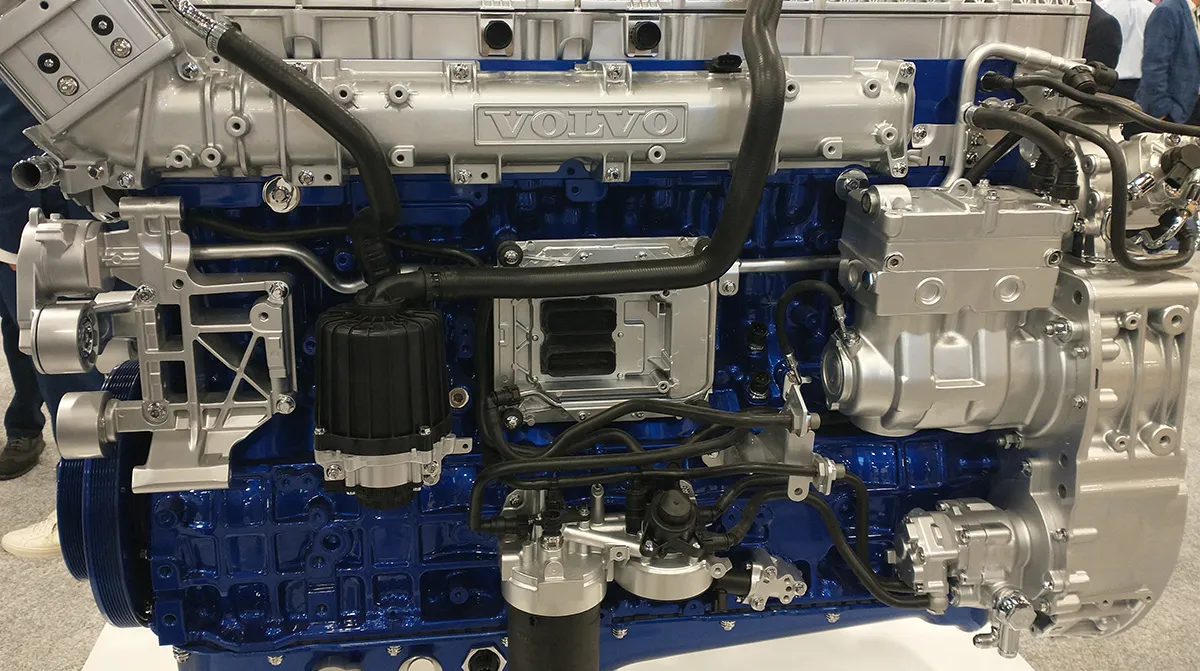
Over the last 20 years, diesel engines have seen significant modification. Older diesel cars were often commended for their dependability, simplicity, and capacity to continue operating with only regular oil changes and sporadic repairs. On the other hand, contemporary diesel engines are far more sophisticated. These days, they depend on complex emissions systems, computerised controls, and precise fuel delivery technologies, all of which require specific upkeep and diagnostics.
The demands of service have increased along with the evolution of diesel technology to fulfil more stringent environmental rules and better performance standards. For modern diesel cars to continue being dependable, fuel-efficient, and emissions-compliant, they need more than just routine maintenance.
The Transition Of Diesel Systems From Mechanical To Electronic
Mechanical parts played a major role in older diesel engines. There were fewer electronics, simpler fuel injection systems, and repairs could often be completed using common tools and expertise. These engines were simpler to maintain, even if they were less sophisticated.
Advanced electronic management systems are now used in modern diesel cars to continually monitor engine performance. Real-time monitoring of air flow, fuel pressure, exhaust temperatures, and emissions production is provided via sensors. In order to increase efficiency and lower emissions, the engine control unit quickly modifies operations.
Due to its complexity, visual examination alone is not always sufficient to diagnose a contemporary diesel engine. To correctly diagnose problems, specialised diagnostic software and electronic scan instruments are often required. For this reason, instead of depending just on conventional service procedures, many drivers increasingly seek out a local technician with diesel knowledge.
Diesel Particulate Filters Need To Be Maintained Correctly
The Diesel Particulate Filter, or DPF, is one of the most significant enhancements to contemporary diesel engines. In order to lower dangerous emissions, this portion collects soot particles from the exhaust system.
DPF systems are useful for reducing emissions, but improper driving or maintenance might cause issues. Filter clogs may result from short travels, stop-start driving, and interrupted regeneration cycles. When the DPF becomes clogged, it may cause warning lights to appear, decrease engine performance, or increase fuel consumption.
Modern diesel engines need ideal operating conditions to sustain the DPF system, in contrast to previous models that could withstand a variety of driving behaviours. Forced regenerations, sensor testing, and the use of diagnostic equipment to track soot load levels are examples of special service techniques.
If DPF maintenance is neglected, costly repairs or a full filter replacement may ultimately be necessary.
EGR Valves Increase Complexity
Exhaust Gas Recirculation systems, or EGR valves, are also a major component of modern diesel engines. In order to lower nitrogen oxide emissions, these systems reroute some exhaust gases back into the engine.
EGR systems are very sensitive to carbon accumulation, notwithstanding their environmental benefits. Soot buildup may eventually limit airflow and impair engine efficiency. Rough idling, decreased acceleration, heavy smoke, or inefficient fuel use are possible symptoms.
EGR component replacement or cleaning is often more difficult than routine maintenance. To completely fix the problem, technicians may need to examine relevant sensors, cooling systems, and intake components.
This degree of specialised effort demonstrates how diesel maintenance today entails much more than just replacing filters and fluids.
Modern Injectors Are Extremely Precise
Modern diesel engines’ fuel injectors are designed with very precise tolerances. To maximise efficiency and power production, fuel is delivered at very precise levels using high-pressure common rail systems.
Injector performance may be impacted by even minute levels of contamination. Injectors may clog or wear down too quickly due to poor fuel quality, contaminated water, or filthy filters. Drivers may encounter rough running, difficult starting, heavy smoke, or decreased fuel efficiency when this occurs.
Many contemporary injectors need specialised testing tools and calibration techniques, in contrast to previous injectors that were often easier to fix. Serious engine damage or high replacement costs might result from improper handling.
Fuel system maintenance and service intervals are now more crucial than ever due to the sophistication of injector systems.
Electronic Diagnostics Are Crucial
The function of electronic diagnostics is one of the main distinctions between modern and older diesel engines. Many flaws no longer show clear signs right away. Rather, abnormal data are detected by the car’s internal computer before the driver becomes aware of changes in performance.
Scan tools are used in modern workshops to get sensor data, diagnostic codes, and real-time engine information. This allows technicians to diagnose issues involving turbochargers, fuel pressure systems, emissions controls, and electronic modules more accurately.
Without proper diagnostics, some problems may go undetected until they become severe. This is why diesel servicing increasingly requires technicians who understand both mechanical systems and automotive electronics.
In some cases, drivers may specifically seek a diesel specialist or diesel mechanic with experience handling advanced diesel systems, instead of choosing a general workshop unfamiliar with these technologies.
Turbochargers Need Careful Attention
Most modern diesel engines are turbocharged to improve power and fuel efficiency. Turbochargers operate at extremely high temperatures and rotational speeds, placing significant demands on lubrication systems.
Poor servicing practices, delayed oil changes, or incorrect oil specifications can shorten turbocharger life. Carbon buildup, oil contamination, and restricted oil flow may eventually cause turbo failure.
Modern servicing, therefore, involves careful attention to oil quality, filter condition, and cooling system performance. Technicians may also inspect boost pressure readings and intake systems during routine maintenance.
Diesel Servicing Has Become Specialised
The days when diesel servicing involved only basic maintenance are largely gone. Modern diesel engines combine advanced emissions technology, precision fuel systems, electronic controls, and turbocharging into highly sophisticated powertrains.
While these innovations improve fuel economy, performance, and environmental compliance, they also increase servicing complexity. Proper maintenance now requires specialised tools, technical knowledge, and an understanding of integrated diesel systems.
Drivers who invest in professional diesel servicing are more likely to avoid costly breakdowns, maintain fuel efficiency, and extend vehicle lifespan. As diesel technology continues to evolve, specialised care will remain essential for keeping modern engines operating at their best.